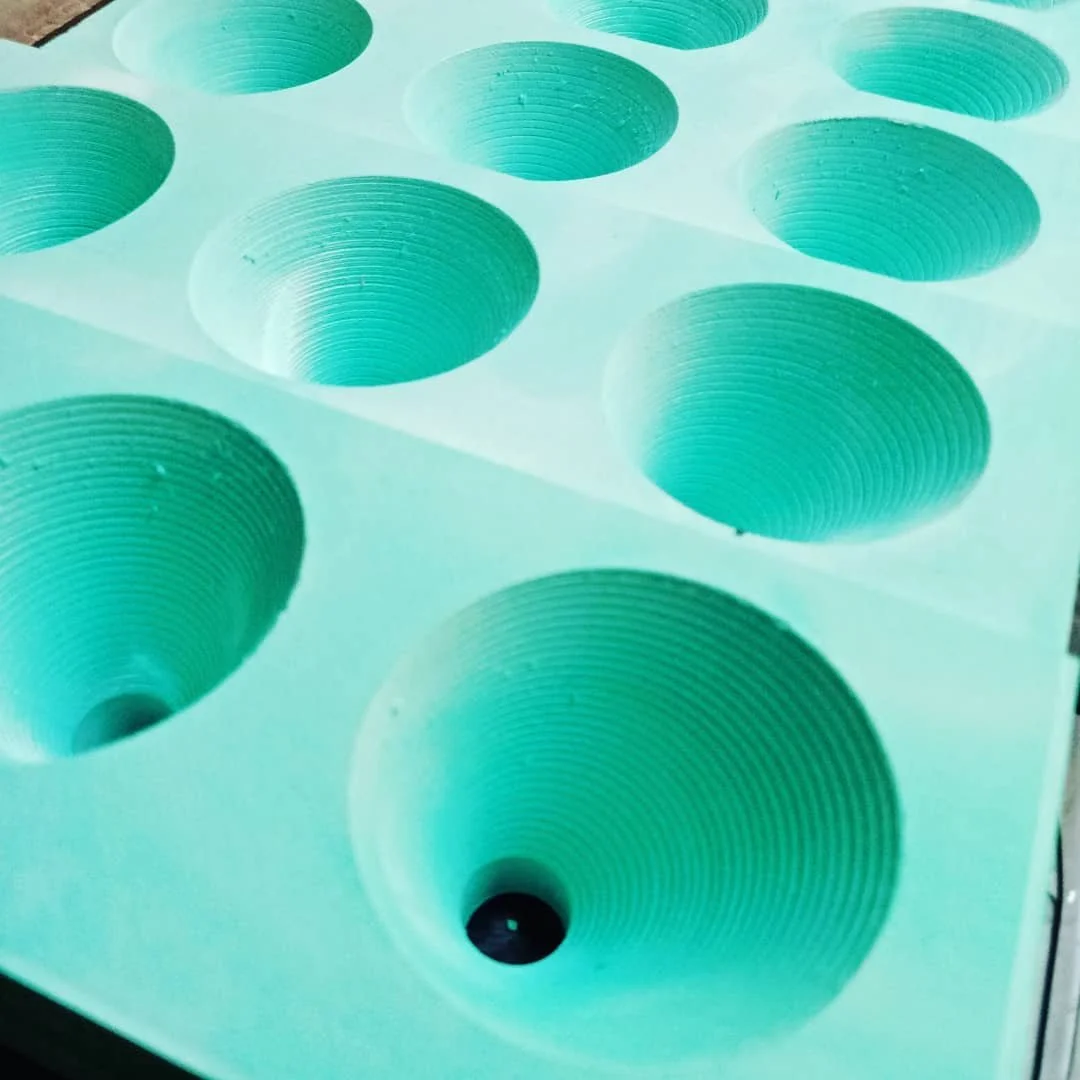
Close-up of a teal-colored silicone mold with multiple conical cavities.

Taking ideas from concept to production with end-to-end product development.

Design that pushes boundaries

Industrial design is creation of products for mass production using proven industrial manufacturing techniques. 

At Hatch, we bring over a decade of experience designing products that people genuinely want to use. We believe that the most meaningful innovation happens at the edge of what’s familiar - where new value is uncovered and new behaviours emerge.  That’s the space we design for.

Our process doesn’t stop at a concept. We carry ideas through engineering, prototyping, and user testing to ensure every product is manufacturable, reliable, and delivers a high‑quality experience in the real world.
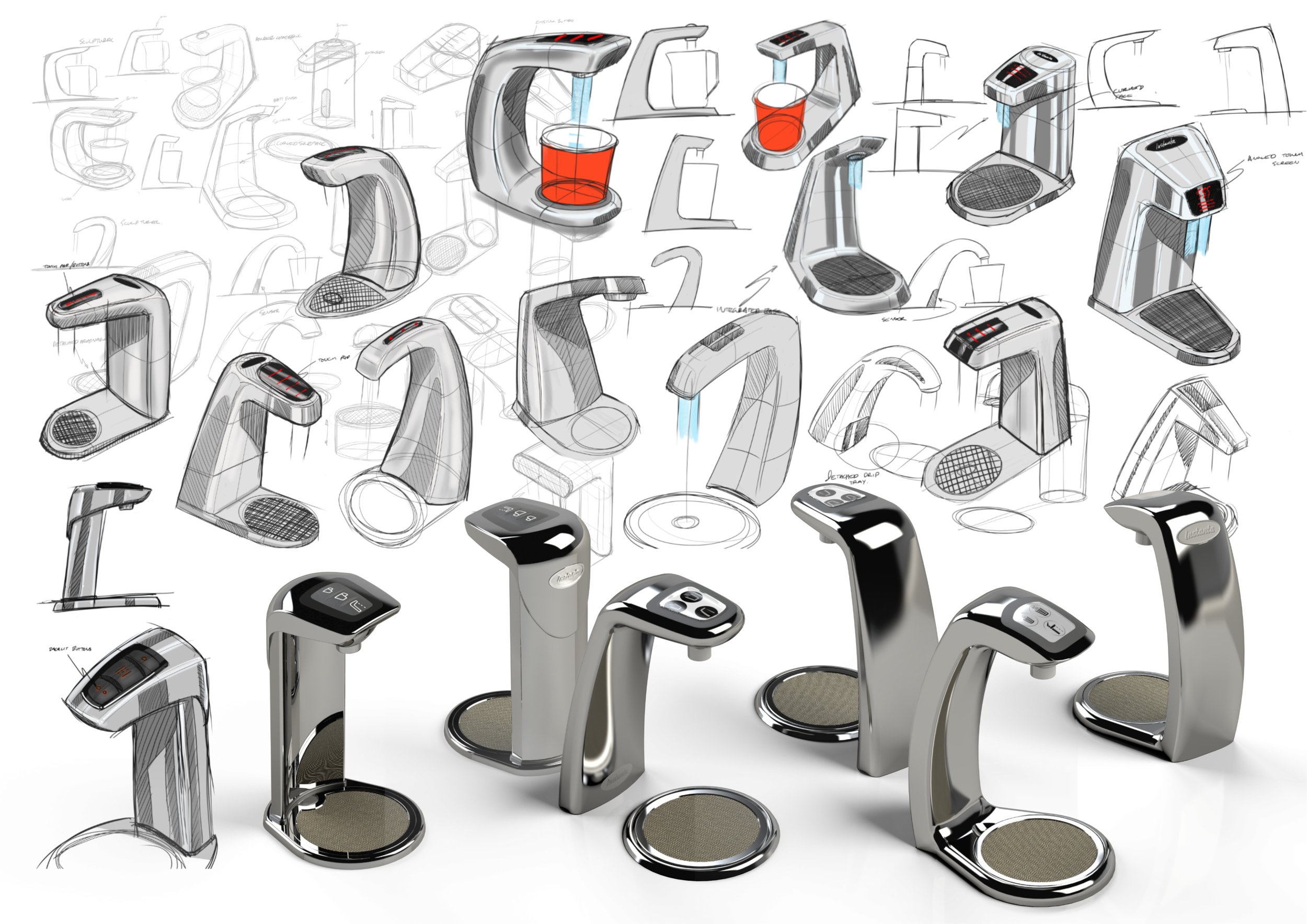
  • A collection of design sketches and renderings of modern coffee makers in various styles and angles, including some with digital displays and water dispensing features.

    Concept Generation

    This phase is where ideas take shape. We explore multiple directions through iterative, user‑centred ideation combined with proven design methods. It’s the moment you begin to see what your product could become.

    We track trends, analyse markets, gather user insights, and stay current with emerging manufacturing techniques. This allows us to create concepts that balance aesthetic clarity with functional performance - the foundation of award‑winning products.

    Using sketching, CAD, and rapid prototyping, we turn ideas into visualisations and tangible models that can be reviewed with clients and users. This ensures each concept meets aesthetic, usability, and manufacturability requirements before moving into engineering and prototyping.

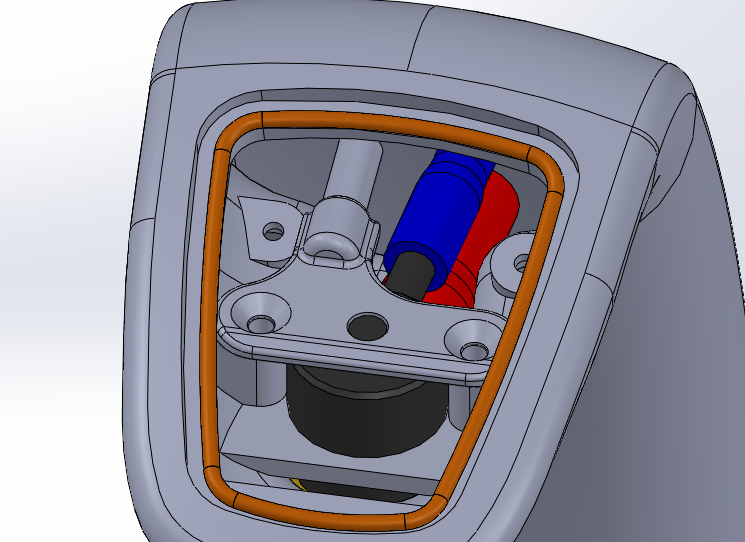
  • A 3D rendering of a mechanical device, possibly a pump or valve, with internal components including a blue and red cylindrical part, a black circular base, and an orange gasket surrounding the interior opening.

    3D Design

    We translate concepts into detailed three‑dimensional models ready for prototyping. CAD allows us to design every surface, interface, and internal detail with precision - and to iterate quickly as the design evolves.

    CAD development is a critical step toward production. From the moment we begin modelling, we’re already considering materials, tooling, assembly, and manufacturing constraints. This ensures the design is not only beautiful but also feasible, efficient, and cost‑effective to produce.

    Our 3D design process also helps identify potential challenges early. By resolving geometry, tolerances, and part interactions upfront, we reduce risk, shorten development time, and create a smoother transition into prototyping and manufacturing.

    Learn more about Design for Manufacture

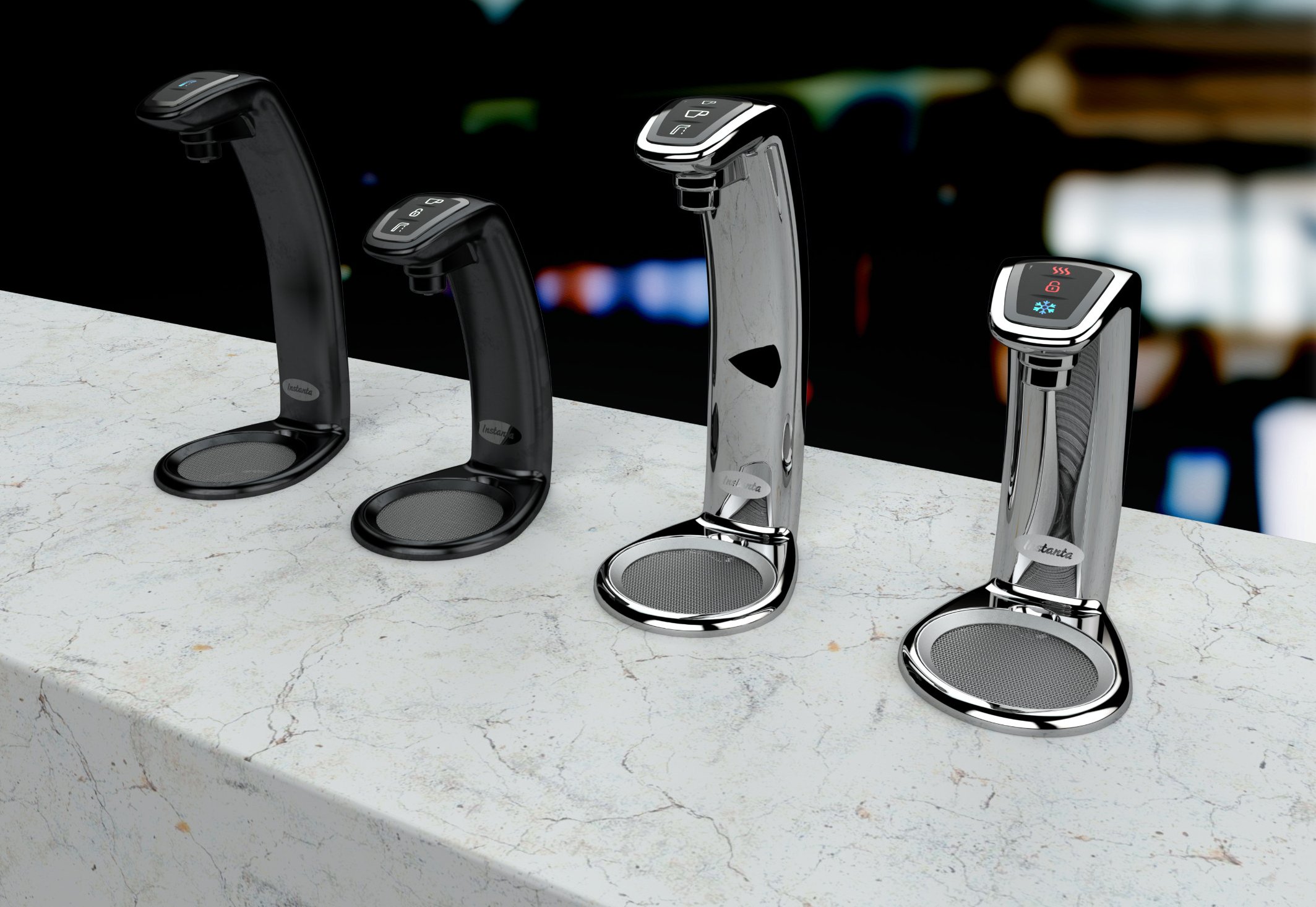
  • A row of modern faucet hardware on a marble countertop, with digital temperature and function displays.

    Product Visualisation

    We create high‑quality visualisations to explore colour, material, and finish (CMF) options and refine the product’s aesthetic direction. These visuals help you understand how the product will look and feel long before it’s made.

    We can also produce photorealistic renders and animations for marketing, packaging, investor decks, and internal presentations. These assets are especially valuable for communicating your vision to stakeholders who may not be familiar with technical drawings or CAD models.

    By visualising the product early, you gain clarity, alignment, and confidence - ensuring the final design resonates with users and stands out in the market.

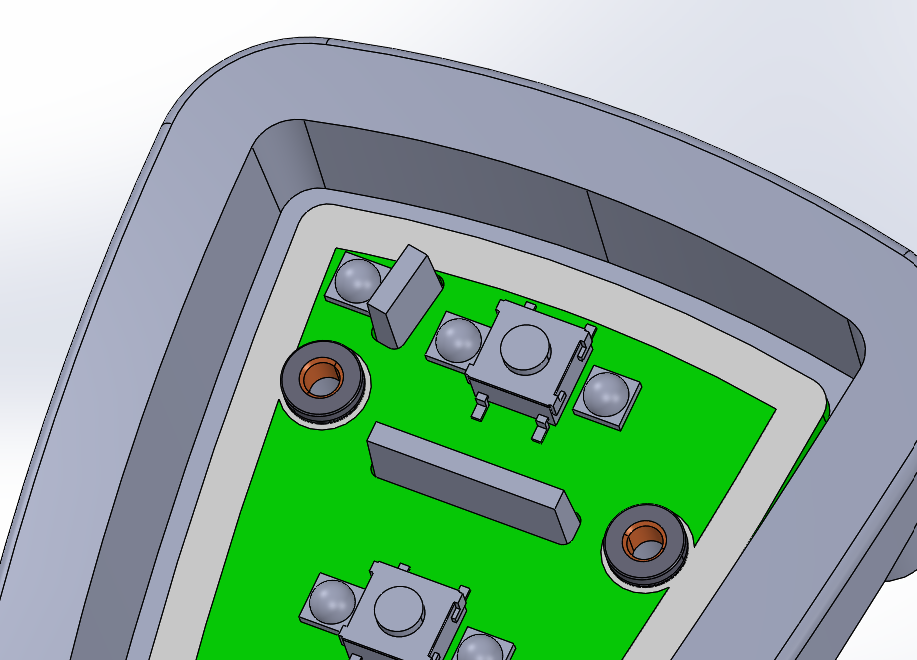
  • Close-up of electronic device interior showing green circuit board with components and two brown screw holes.

    Electronics Integration

    Many products rely on embedded electronics. As part of our industrial design process, we develop detailed tech packs that define spatial, thermal, and interface requirements. This helps us understand the constraints electronics place on the product’s form and ensures the physical design supports reliable integration.

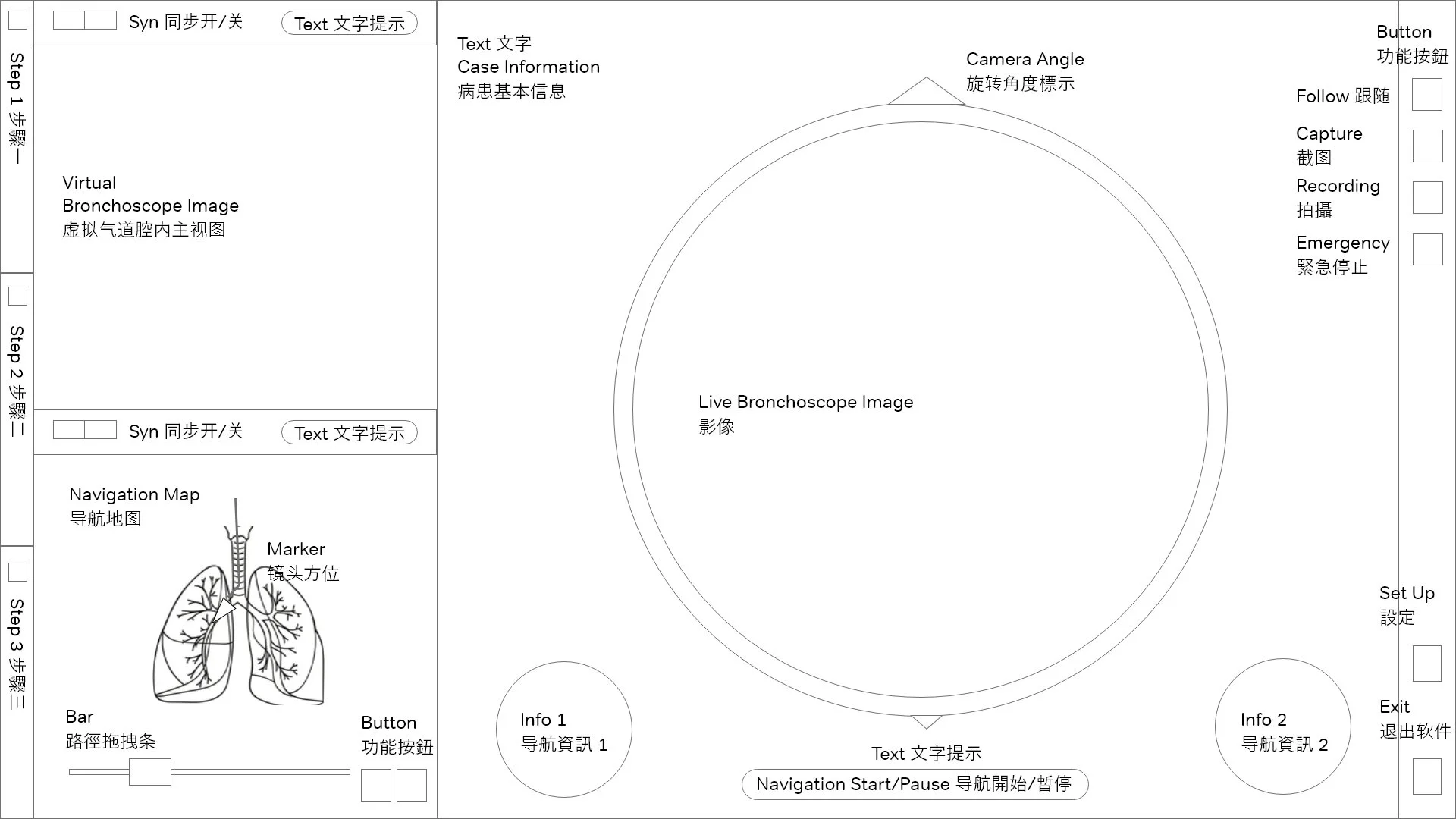
  • A detailed diagram of a medical interface for a virtual bronchoscope system, with sections for case information, camera angles, live images, navigation map, and controls for capture, recording, and emergency stops, labeled in both English and Chinese.

    Software & Interaction Design

    When software forms part of the user experience, we design interfaces that feel coherent with the product’s form and intended behaviour. We map user flows, define interaction patterns, and collaborate with software developers during prototyping to ensure the digital experience aligns with the physical one.