Close-up of hands arranging small notes on a table, with a cup of pens and bright background with curtains.

Success starts by understanding the user and market space.

We design for people

Meaningful innovation happens when we understand users, their behaviours, and the context they operate in. These insights lead to products that resonate, improve daily life, and succeed in the market - which is why design research sits at the core of our process at Hatch.

We work with you to develop solutions that support your business goals and improve the lives of the people who use your product.
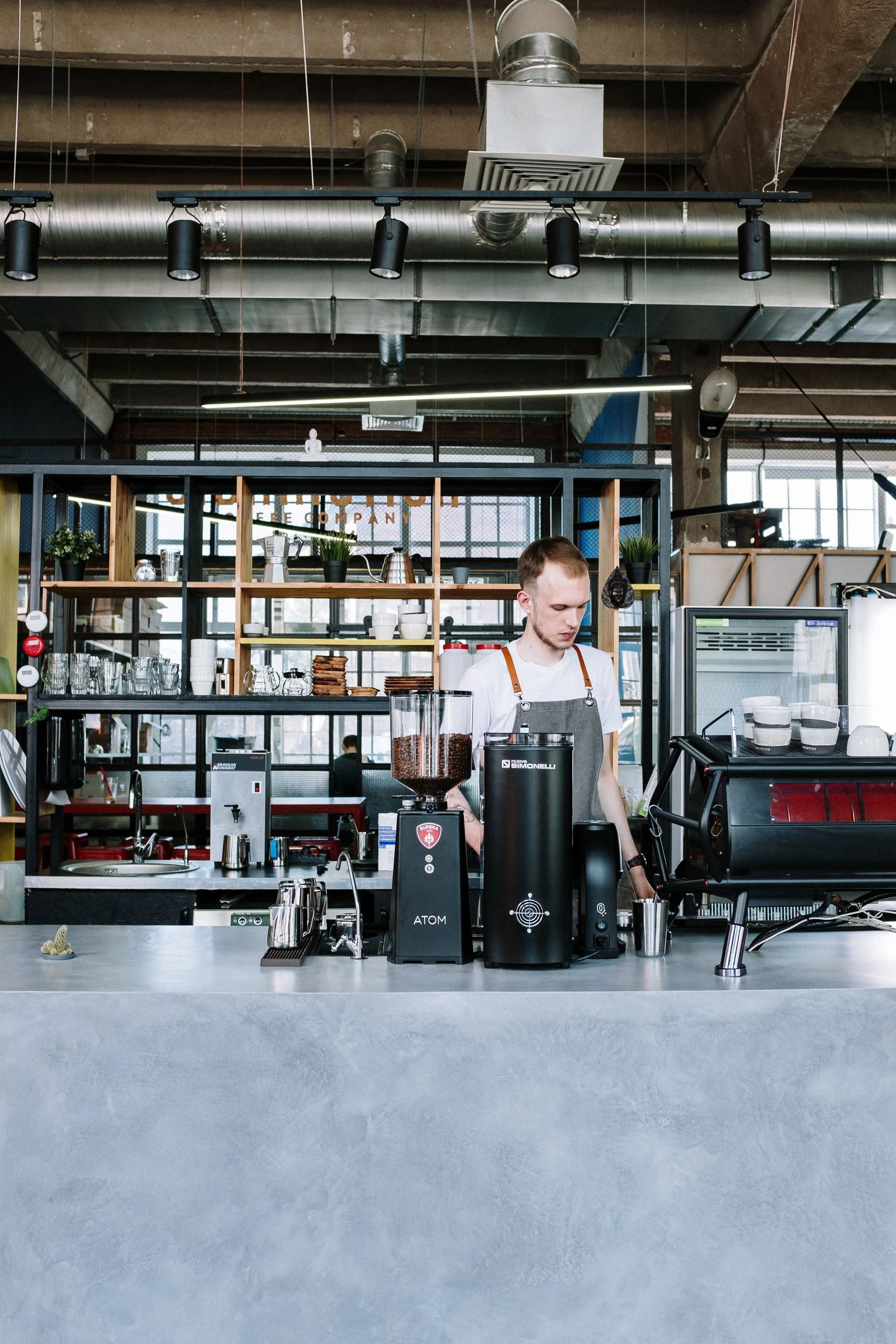
  • A barista preparing coffee behind a counter in a modern, industrial-style coffee shop with exposed ductwork and large windows.

    Understanding Key Users

    We begin by identifying the people who will use your product and the context they operate in. Through observation, interviews, and direct engagement, we uncover root causes, behaviours, and unmet needs. These insights give us a clear foundation for developing targeted concepts through an iterative, user‑centred design process.

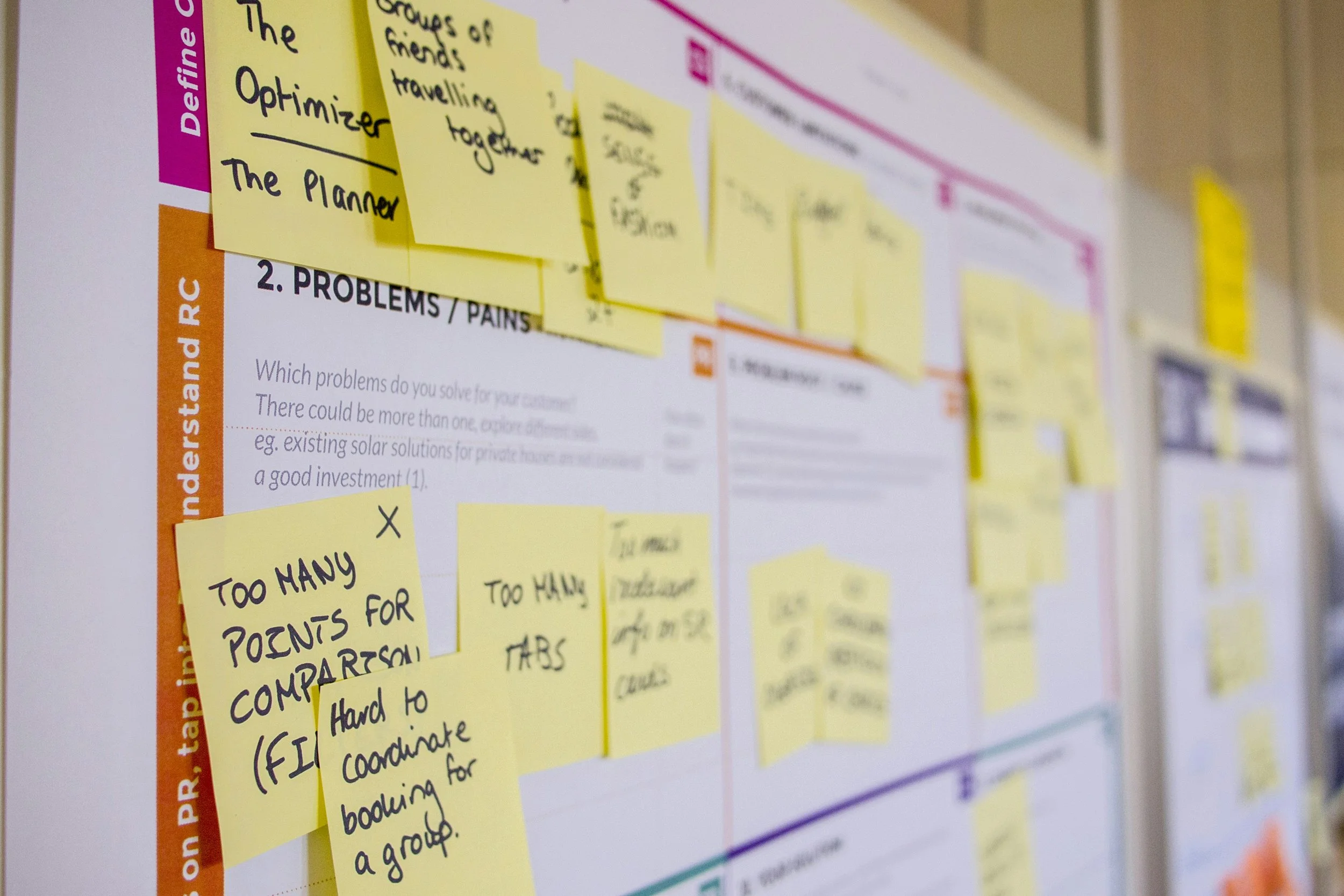
  • A whiteboard with multiple yellow sticky notes arranged in columns, with handwritten text on them. The notes appear to be part of a planning or brainstorming session.

    Uncover Opportunities

    Design research helps us uncover opportunities, reduce risk, and build a foundation for confident decision‑making throughout development. It ensures that every design direction is grounded in real needs rather than assumptions.

  • Two women sitting at a table and looking at a laptop screen, which displays an online furniture store.

    Tailored Approach

    We understand that every project is different. That is why adapt our research approach to match your stage of development - whether you’re exploring early opportunities, refining a concept, or validating a near‑final design. Our toolkit includes ethnographic observation, structured interviews, specialist reviews, and established frameworks, selected for their ability to reveal practical, actionable insights.

  • A person in an orange jacket holding a black thermos and a cup in front of a waterfall.

    User Centric

    We conduct human‑factors studies early in the design process. These explore users, their activities, environments, interactions, and the objects they rely on. The findings are translated into clear design inputs that guide development and ensure the product is safe, intuitive, and aligned with regulatory expectations.

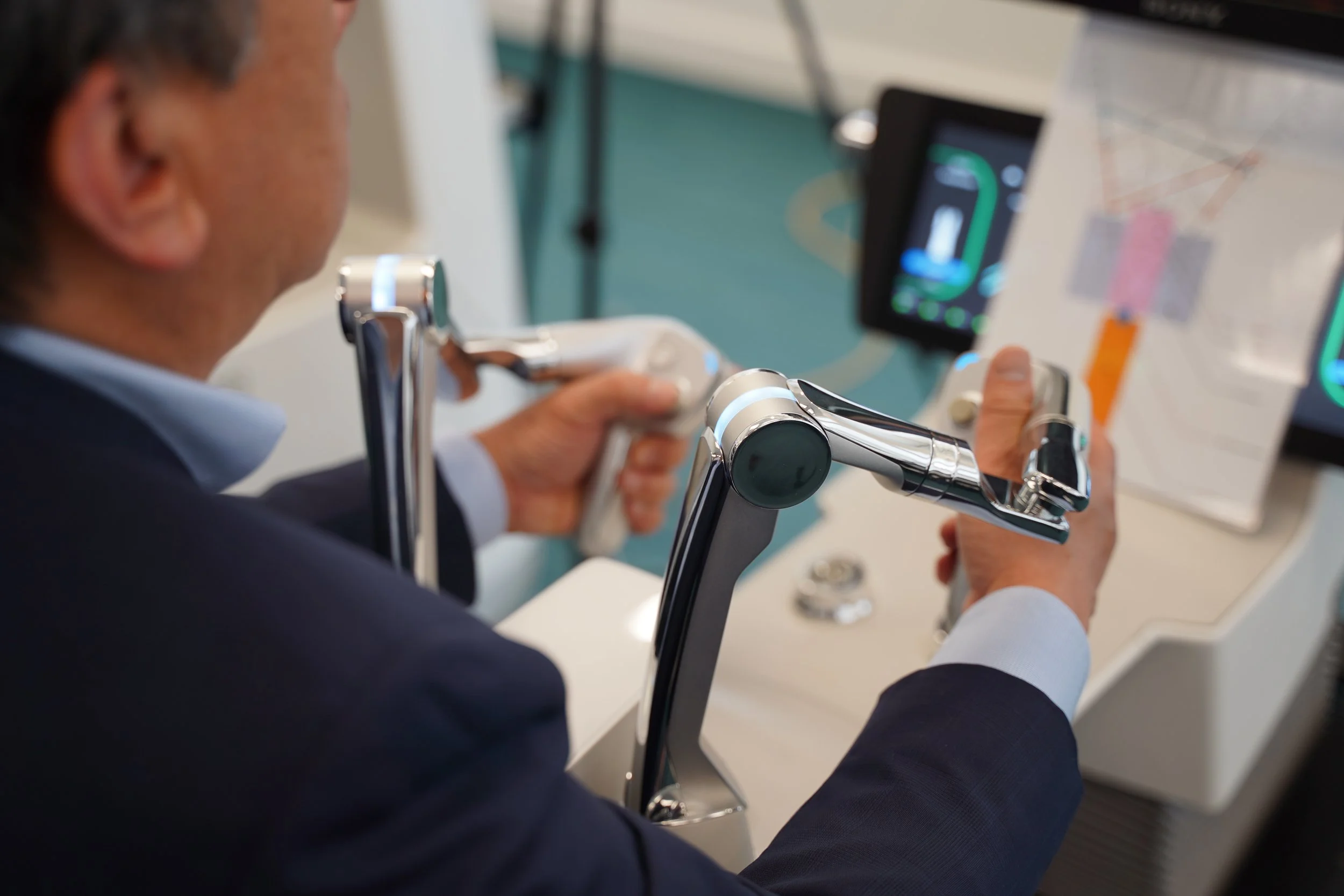
  • A person in formal attire using a device for a medical or technological procedure, with a monitor displaying data in the background.

    Testing and Feedback

    We test early concepts with users to gather feedback quickly. This allows us to refine ideas at pace, reduce risk, and move forward with confidence. By combining specialist insights, expert resources, and our own experience, we deliver design directions that are grounded in reality and shaped by genuine user needs.

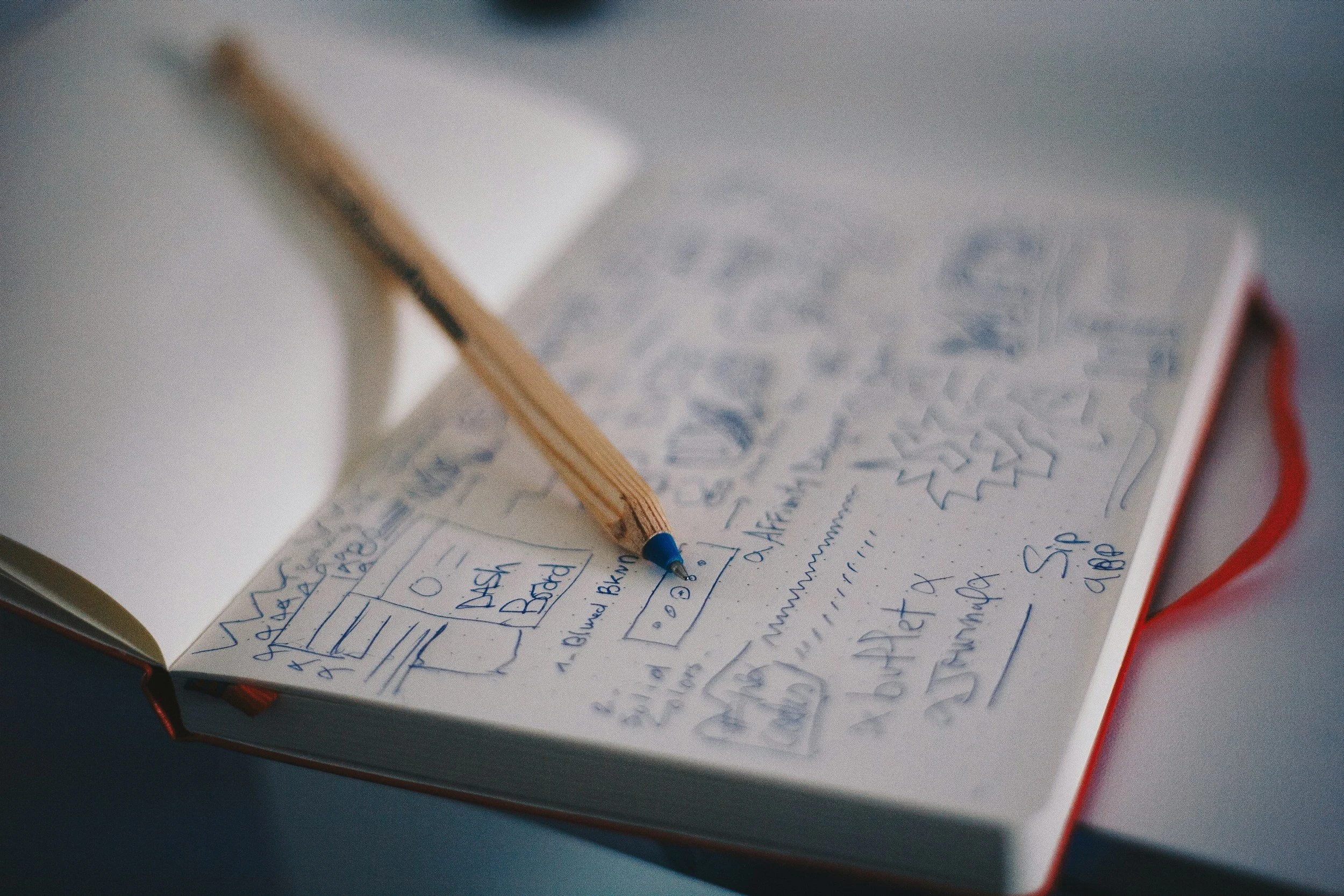
  • Open notebook with handwritten notes and diagrams, a blue pen placed on the page, and a closed notebook or book in the background.

    Market Opportunities

    A product that meets user needs is essential, but understanding the market it enters is just as important. We analyse trends, competitor landscapes, and future forecasts to understand where your product fits and how it can perform. These insights help us shape the design so it aligns with real demand and emerging opportunities.

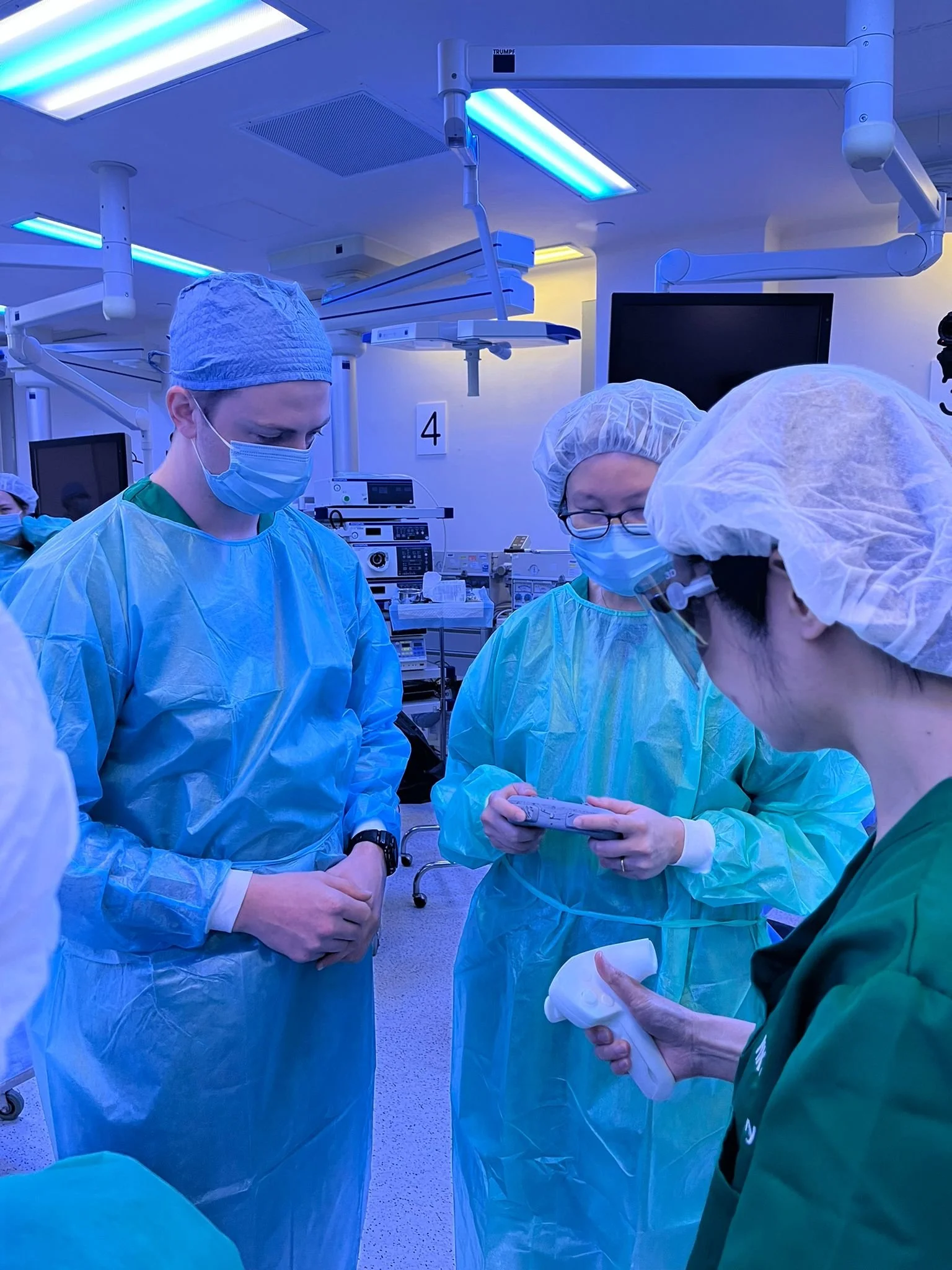
  • Medical professionals in surgical scrubs and masks gathered in an operating room with medical equipment and monitors.

    MedTech

    For medical and MedTech products, we take this a step further. We apply a structured, QMS‑style approach with design controls from the start, ensuring clear traceability and smoother regulatory approval. This gives you confidence that the product is not only desirable and viable, but also compliant and ready for market.