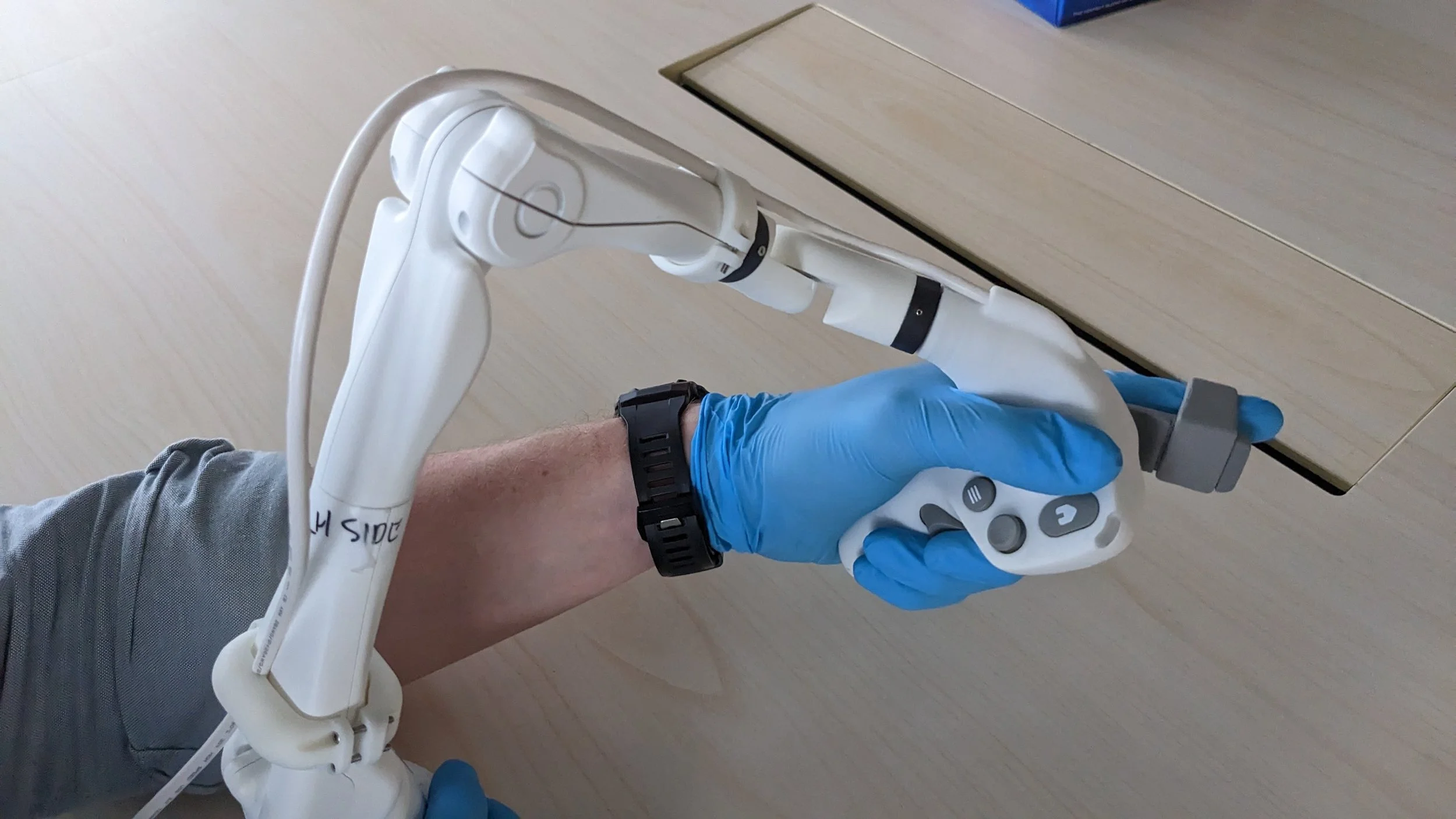
A healthcare worker wearing blue gloves holding a surgical robot input mechanism which is connected to medical equipment.

Iterating until product performance is optimised.

Why Prototype

Prototyping allows us to build, test, and visualise ideas throughout development. We work across a range of materials and fidelities depending on what we aim to learn. Early prototypes might be simple sketch models made from foam, card, or quick 3D prints. Later in the process, we create higher‑fidelity models using production‑like materials and processes — including vacuum casting and CNC machining — to get as close as possible to the final product. Each prototype helps us understand performance, usability, and feasibility before committing to manufacture.
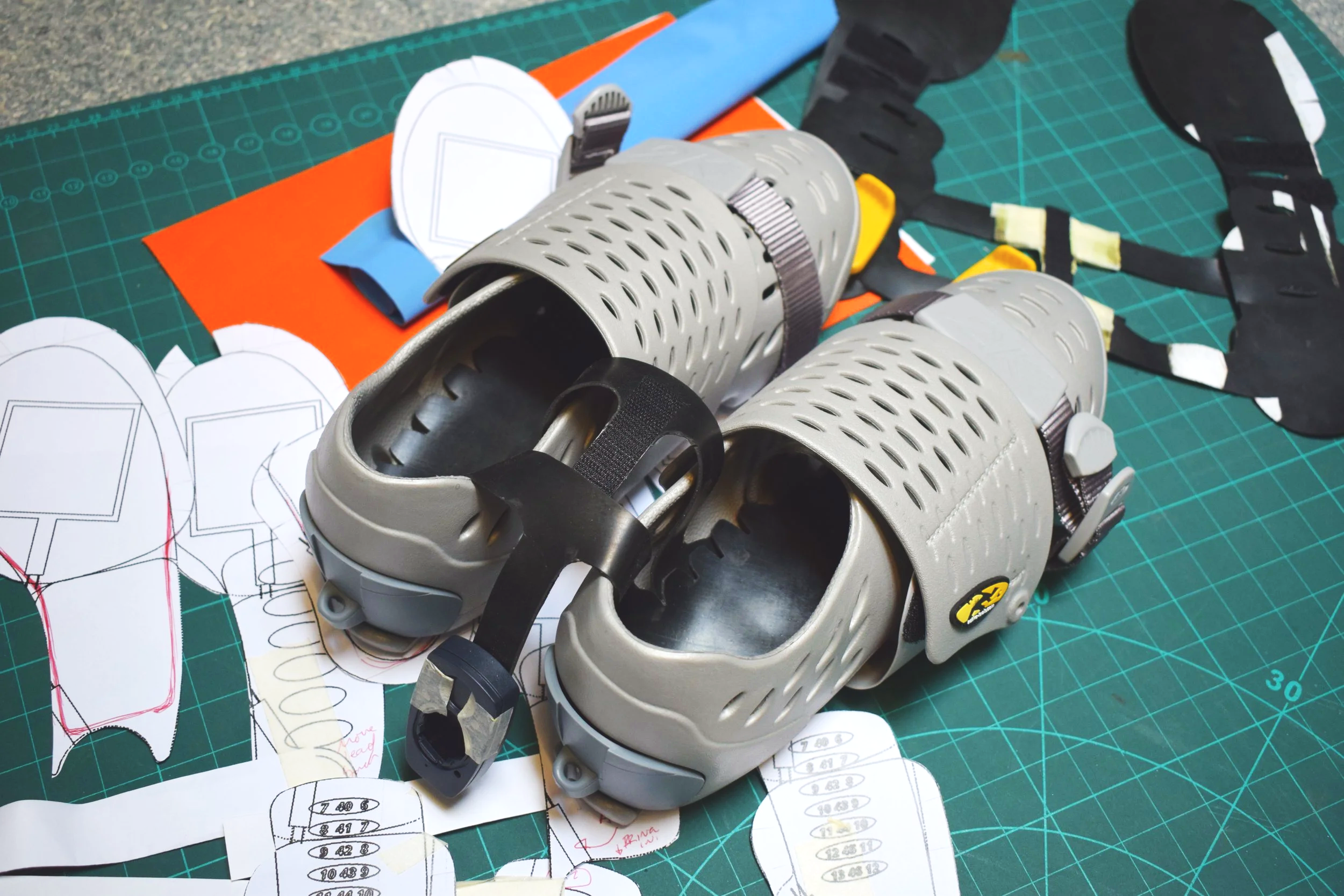
  • A pair of grey rowing shoes rescue boots placed on a green cutting mat with paper templates and sketches nearby.

    Prototype Early

    We begin prototyping as soon as concepts start to form. Hands‑on exploration helps us understand scale, ergonomics, and intended use in ways that 2D sketches simply can’t. Early models — from paper and card to quick CAD and 3D prints — give us fast, tangible insight into what works and what needs to change. These prototypes also allow for early in‑house and real‑user feedback, keeping development grounded in reality.

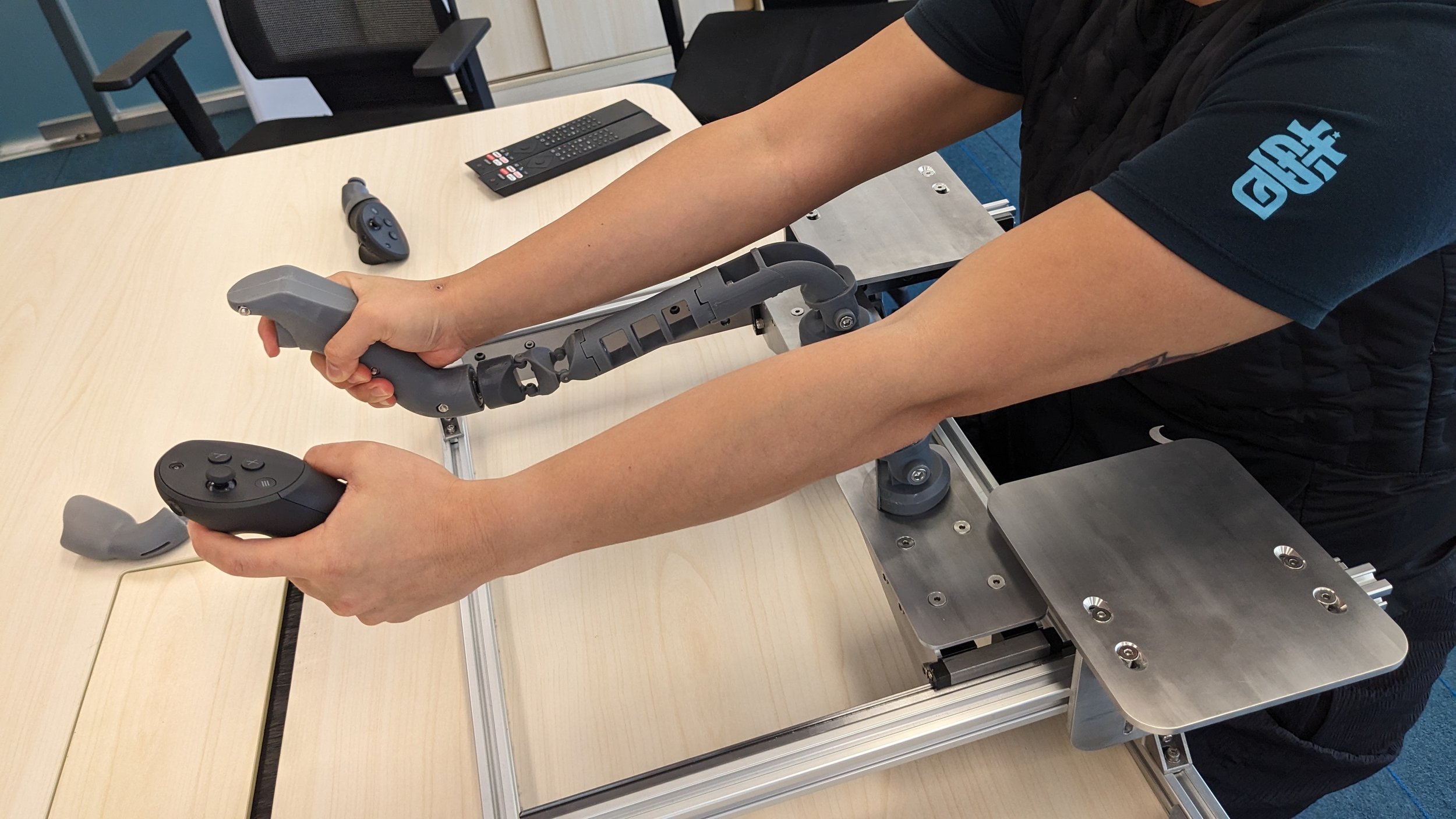
  • Surgical Input Mechanism

    Prototype at Pace

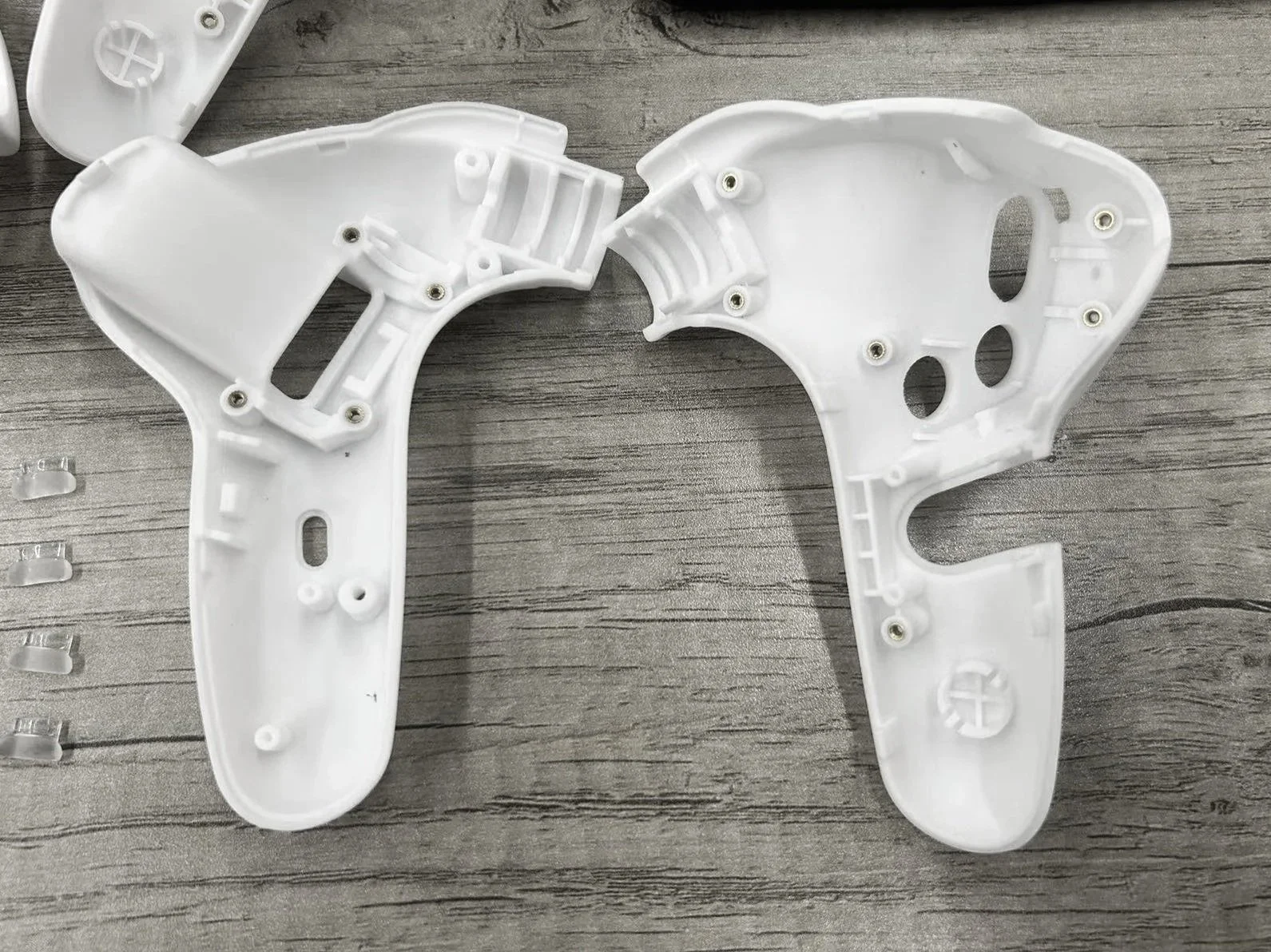
    Once a design direction is established, we continue prototyping throughout development. Our in‑house 3D printing setup allows us to iterate rapidly, refining form, usability, and interaction at speed. This pace is especially important for products where human factors and user experience are critical performance measures.

  • Two white plastic parts with screws attached, laid out on a wooden surface, possibly components of a device or casing.

    Performance Matters

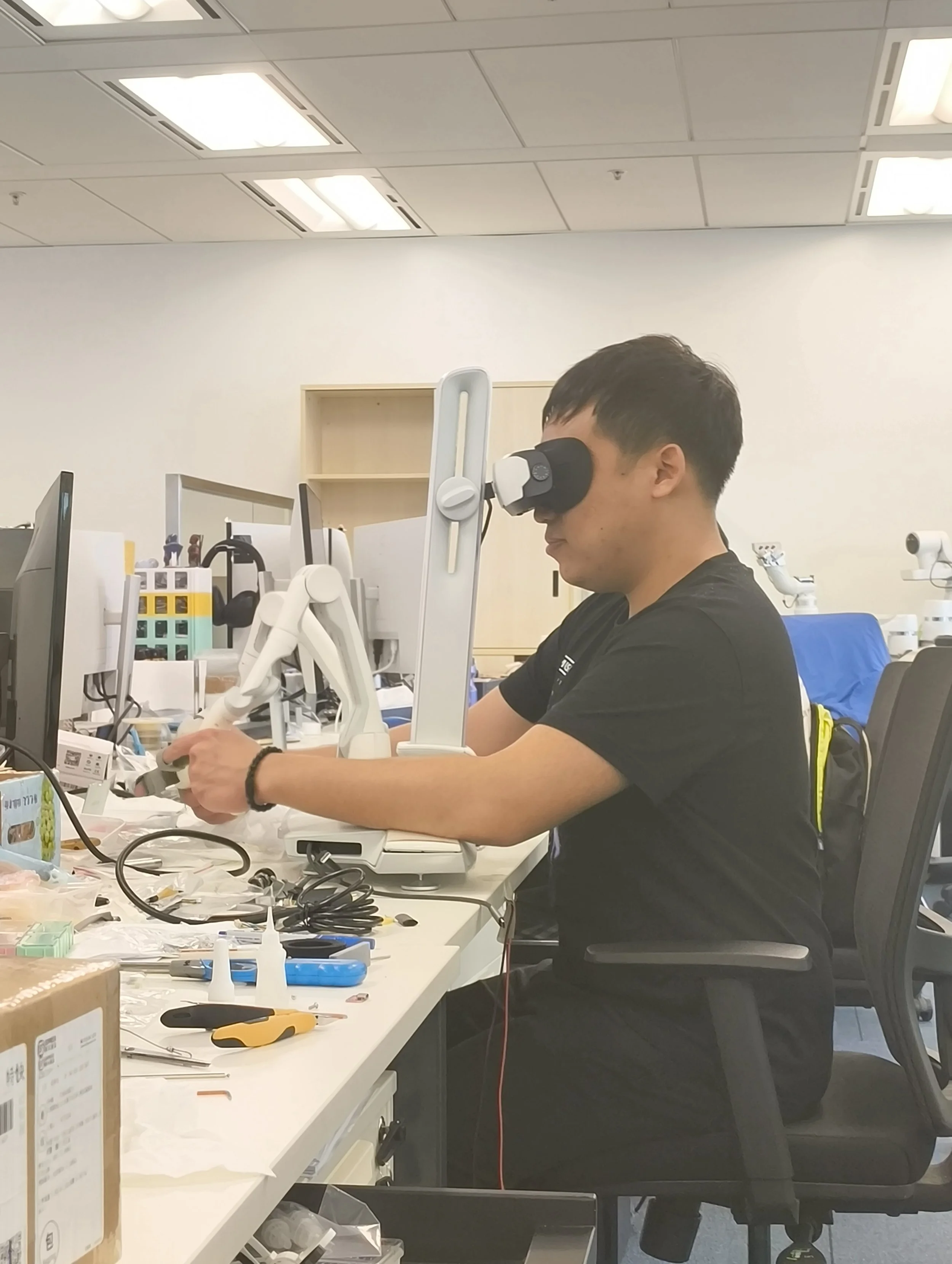
    We test and refine prototypes until they meet our usability performance criteria. When the design is functionally sound, we revisit CMF and DFM considerations and collaborate with trusted partners to produce high‑fidelity “looks‑like” and “works‑like” models. These vacuum‑cast or CNC‑machined prototypes allow for rigorous testing in real contexts and with intended user groups, ensuring the product performs as expected.

  • A man wearing a black shirt and a wristwatch is sitting at a table in an office or laboratory, using a microscope. The table is cluttered with various tools, electronic devices, and supplies. In the background, there are desks, computer monitors, shelves, and office lighting.

    Choosing the Right Route

    The best prototyping approach depends on the complexity of your product and the stage of development. Whether you need quick sketch models, functional rigs, or high‑fidelity appearance prototypes, we’ll guide you through the options and recommend the most effective route for your project. If you’d like to discuss which process is right for you, get in touch — we’re always happy to help.

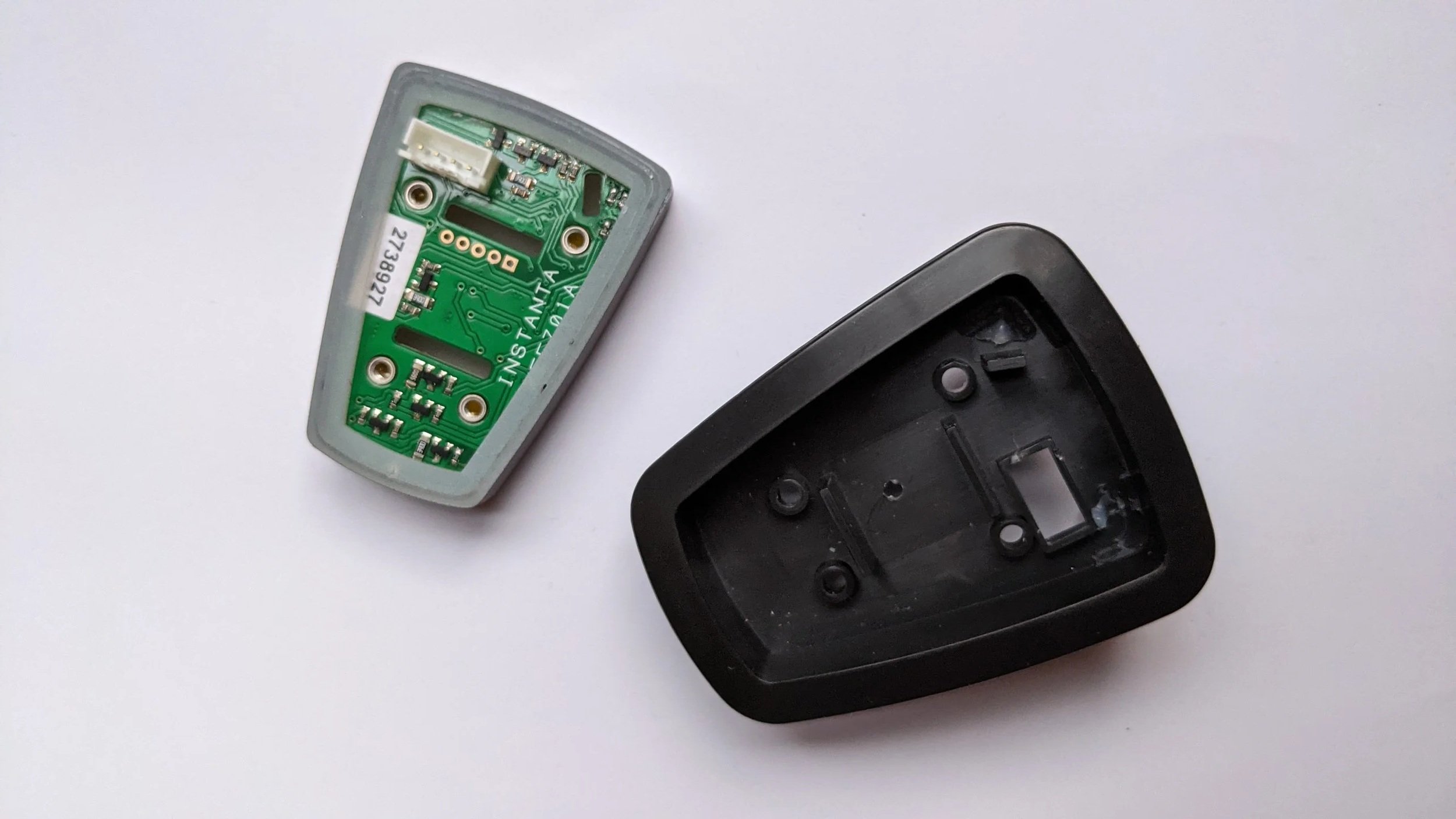
  • Disassembled garage door remote control with circuit board and empty black casing on a white surface.

    Electronic Collaboration

    We work closely with specialist electronic engineers - or your in-house teams - to prototype functional systems that integrate seamlessly with the physical design. This includes PCB layouts, wiring harnesses, and interface components that support early testing and refinement.

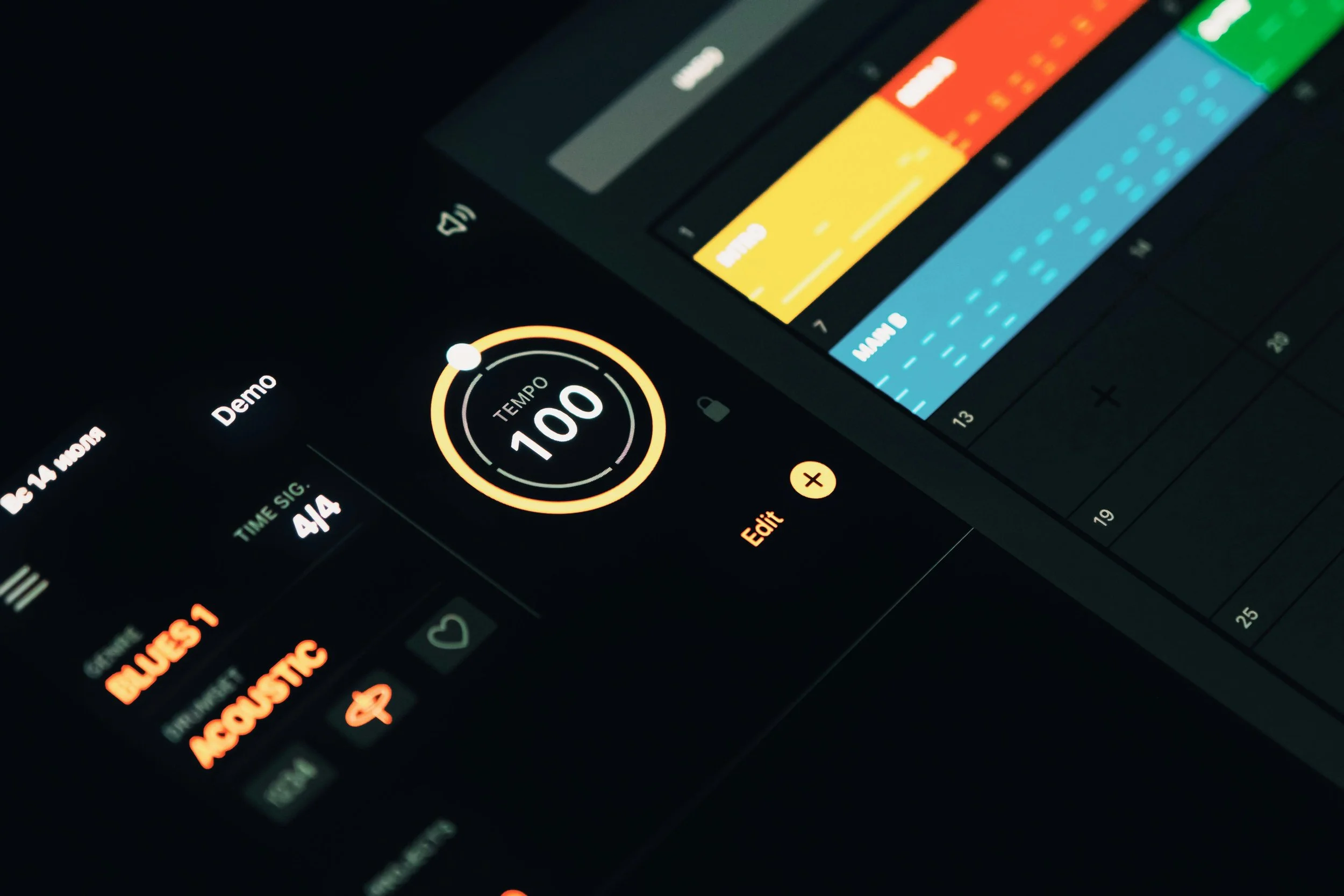
  • Close-up view of a digital music editing app on a tablet screen, showing editing controls, colored soundwave tracks, and a tempo knob set to 100.

    Software Prototyping

    For products where software is a key part of the product’s function, we begin with low‑fidelity wireframes and in‑house user‑flow testing to shape the interaction model. Once the experience feels right, we collaborate with trusted software developers to bring the interface to life and ensure it works intuitively with the physical product.